


The colourful life of a man with two identities.
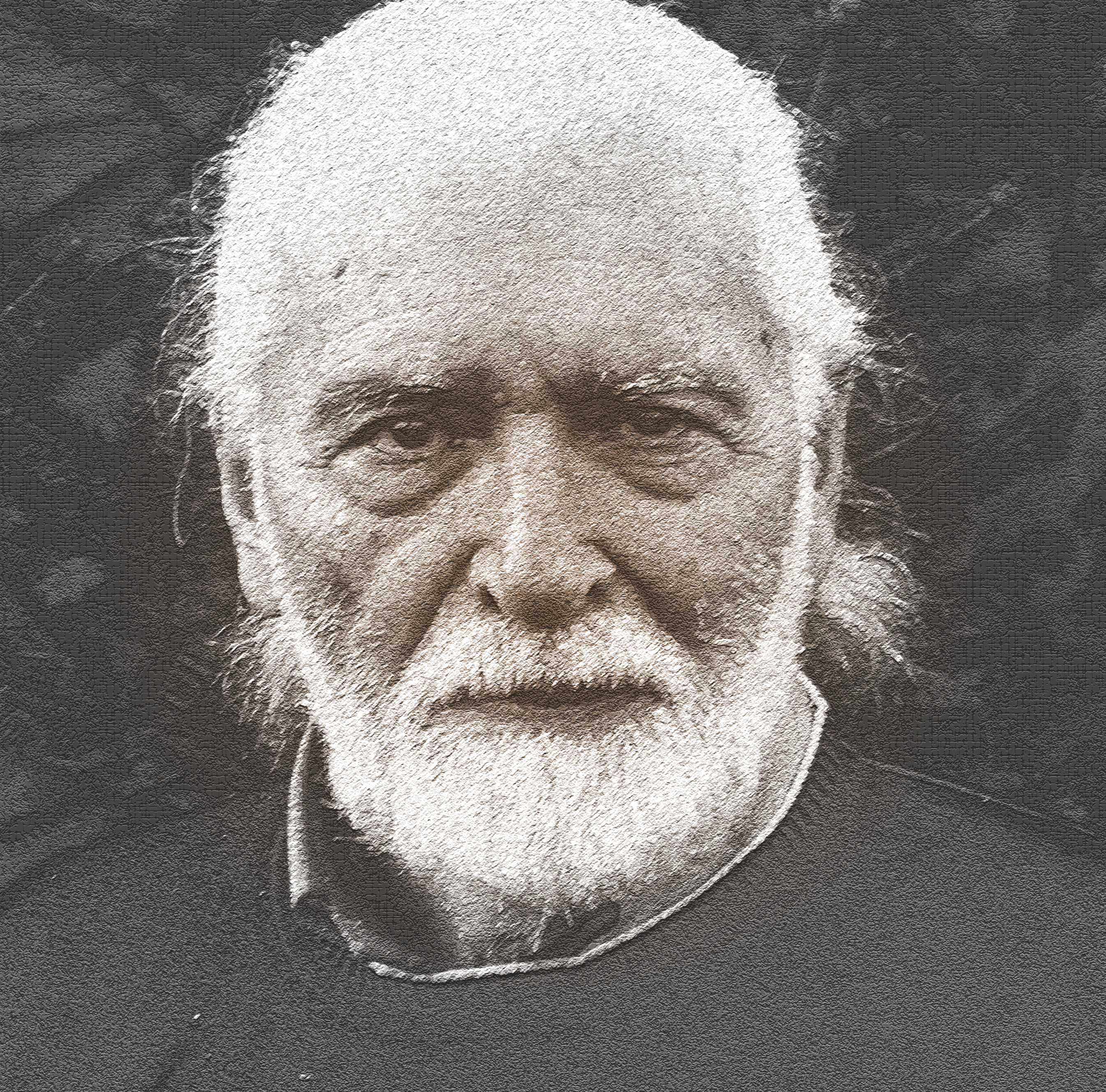
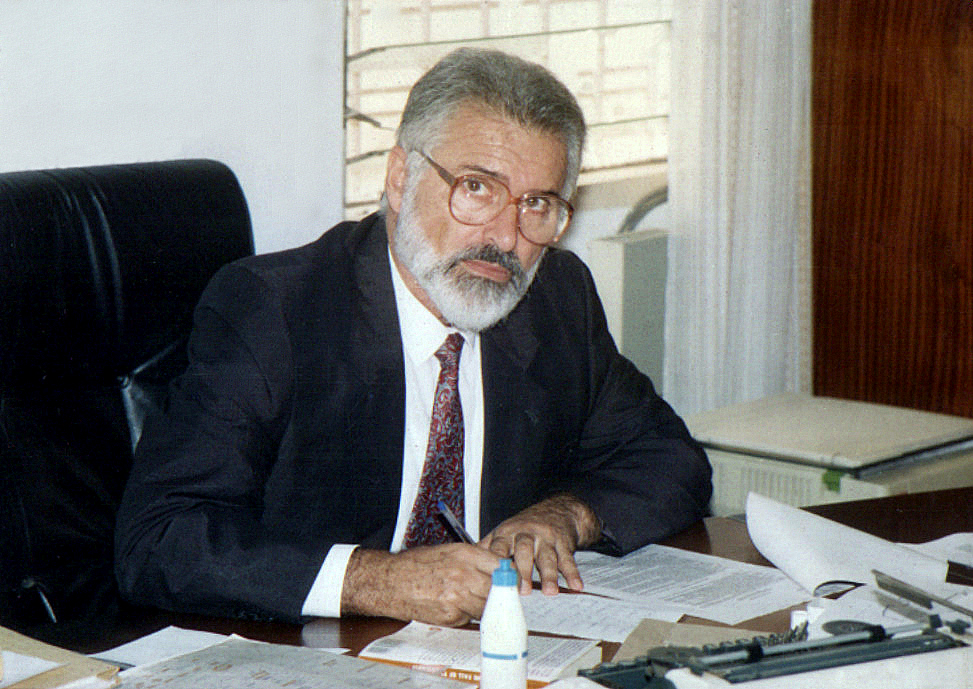
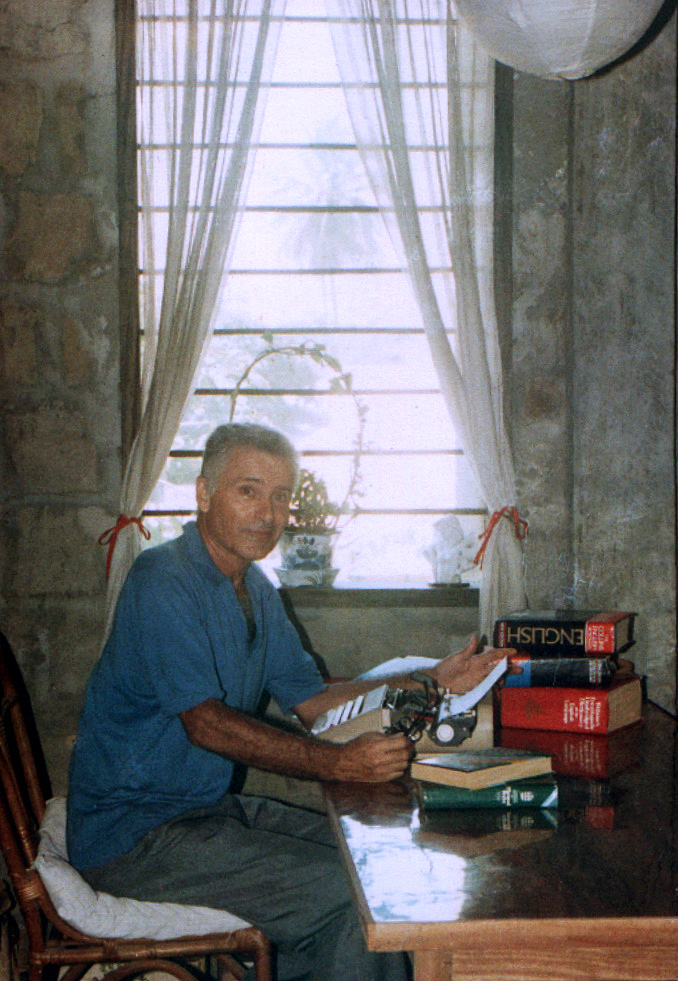
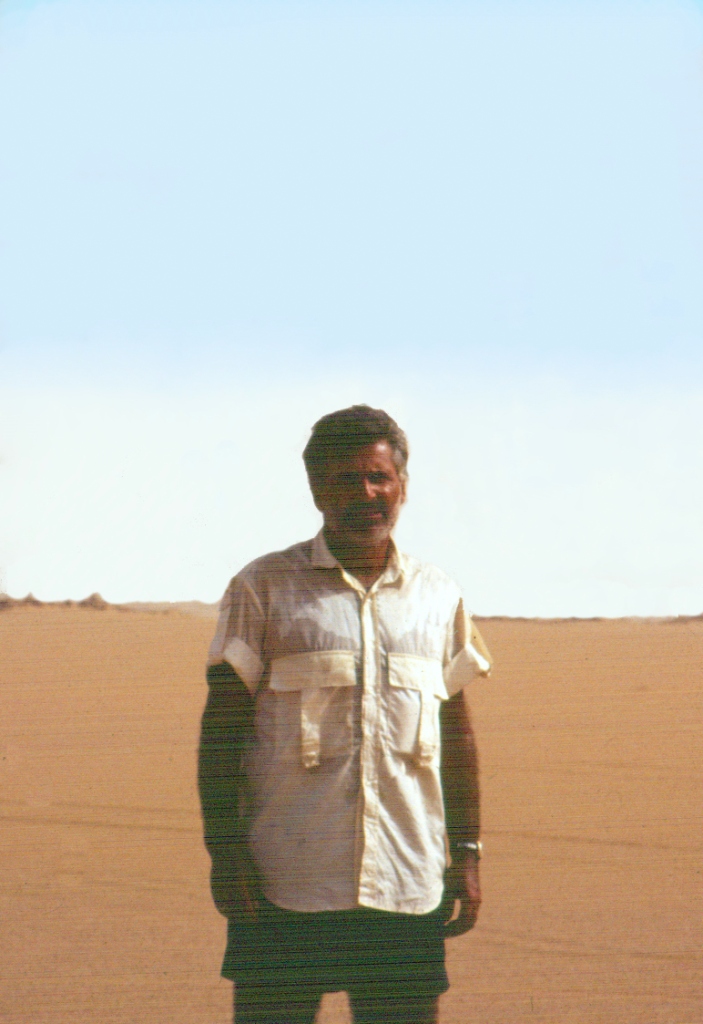
Kodjo Vangorski is the nom de plume of a Ghanaian (Anglophone) and Serbian author and a former Yugoslavian diplomat, Ljubomir Anđelković. (Pronounced: Lewbomere Unjelkovich).
Ljubomir was born on Monday on 18th June 1934 in Belgrade, Kingdom of Yugoslavia.
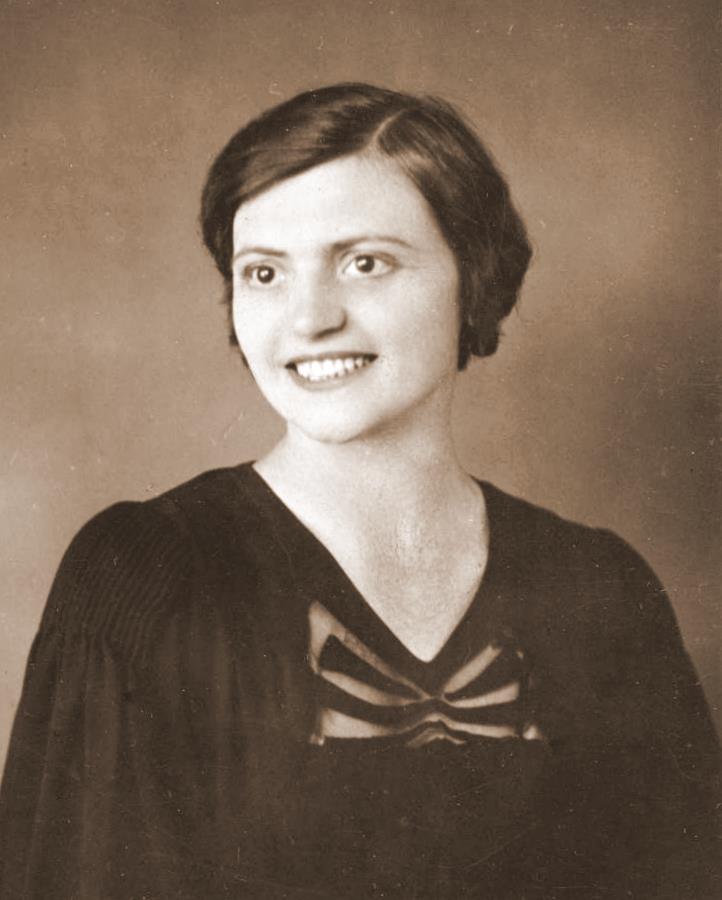
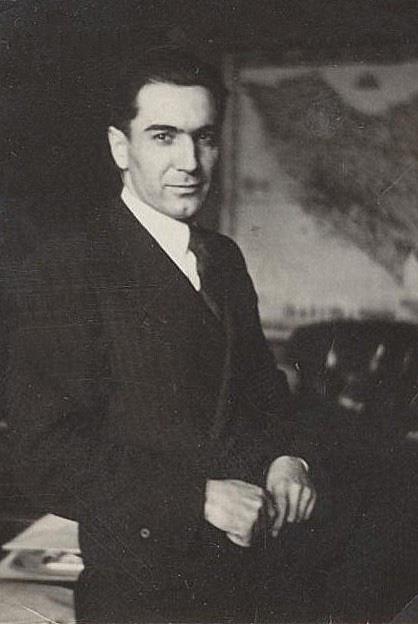
Before World War II his father was, editor in chief of the national telegraphic agency “Avala”, while the mother was a PE teacher in the prestigious “First Girl’s High School” in Belgrade.
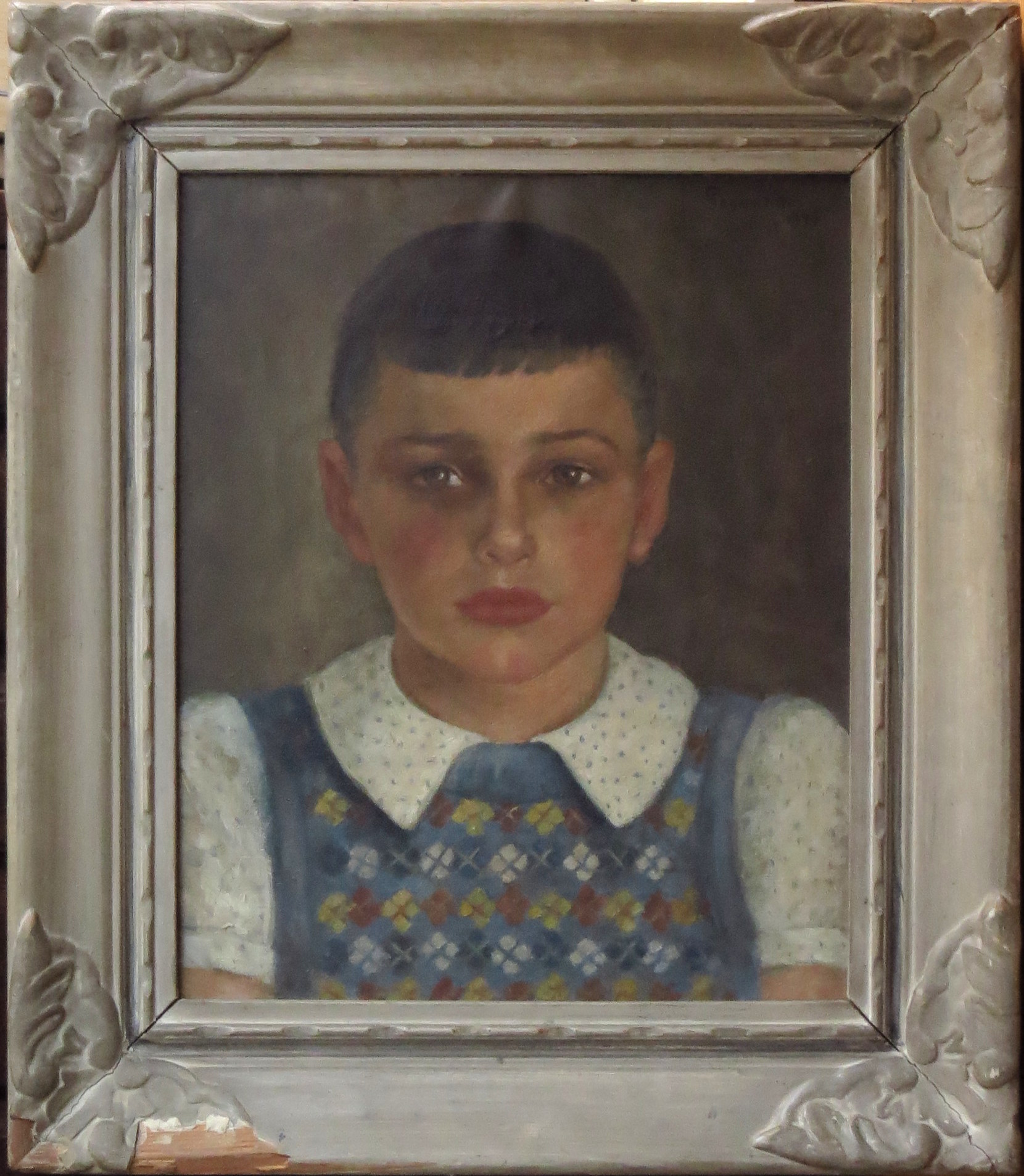
First fifteen years of Ljubomir’s life were rife with vicissitudes: from traveling to Italy and France in a railway saloon coach – to suffering famine and witnessing destruction and terrors of the Second World War and the Yugoslavian Revolution. After the end of the war, family Anđelković moved from their suburban villa to a miniature flat in Čubura, a near-slum settlement in Belgrade. He attended the Third boy’s High School and a music school. Already at the age of sixteen (1950) he played Mendelsohn’s ‘Capriccio Brillante’ accompanied by the central Army Orchestra.
Although it may seem inappropriate, it must be mentioned that at that same time, he joined one of the local gangs, the notorious ‘Čuburska mafija’, a pack of brawny youth mostly of Romany (Gipsy) descent. Had it not been for that, Ljubomir aka Ljuba-Jarac – (Ljuba the billy-goat), would have never acquired the necessary stamina and survival skills. Not being fond of fistfights, he managed to negotiate peace with a rival gang and thus ended a feud which had lasted for several decades. That ‘diplomatic’ experience influenced greatly his stance towards the challenges of life. So, in his high-school final, matriculation paper ‘The Most Humane Profession’ (while other students were writing about the advantages of being a medical doctor), Ljubomir elaborated that Diplomacy was the most human profession! His paper was awarded as the best matriculation paper of the year.
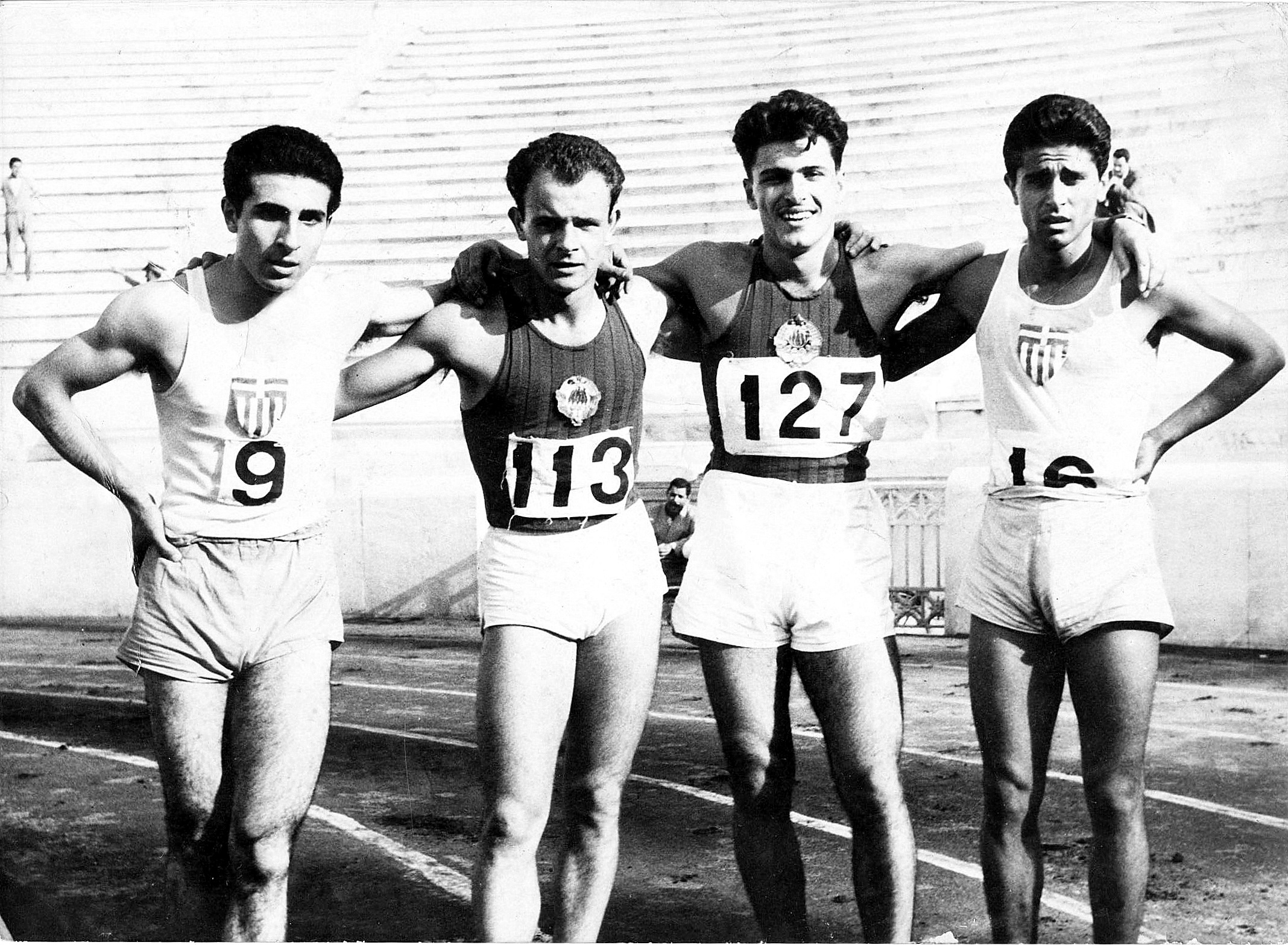
During his studies at the University of Belgrade, he went in for sports (track and field) and became national youth champion on 400 metres and 200 metres dash.
*
After having taken his degree he spent two years in London. There he worked at W&G Foyles of Charing Cross Road. Thanks to innovations he had introduced to the functioning of that mega-bookshop and to his knowledge of rare books, in less than six months he became Chief buying manager.
While searching for rare books he got in touch with some high-ranking Yugoslavian dissidents. Mistaken that Ljubomir had also been member of anti-communist emigration, they confided in him their plans to poison water-supply systems in Muslim parts of Bosnia. Terrified by the gruesomeness of such criminal plans, he reported the conspiracy to Yugoslav embassy officials. On the suggestion of those officials, Ljubomir joined that group of emigrants, but soon, as his cover was blown, he became target of an unsuccessful assassination attempt.
After serving his compulsory, one year Army term, (1960) he was employed as a research assistant in the Belgrade Institute for International Politics and Economics. In that capacity, he wrote quite a number of studies and articles. In 1963 he became member of the Yugoslavian Communist Party.
*
His intellectual formation was influenced heavily by his father and his Institute boss, comrade Rudolf Blum.
Ljubomir’s father Vukašin was an interesting figure in his own right. During the Great War he was schooled in Figeac, France, where he stayed in the house of a Mademoiselle Moulin, his father’s long-time friend. There, for full three years, he shared the room with Mademoiselle’s nephew Jean Moulin, who later, during World War II, became the leader of the National Council of the French Resistance. It is quite possible that already in those days Vukašin became part of one of the French secret societies which shaped his Weltanschauung.
Rudolf Blum was an even more interesting personality. At the time Ljubomir joined the Institute, Uncle-Blum (as junior staff of the Institute used to call him), was already in his early eighties and very talkative. He confided to his assistants that during the early twenties, he was one of instructors in the notorious Hotel Lux in Moscow and mentor both to Mao Zedong and Josip Broz Tito. Uncle-Blum’s unorthodox thinking helped his assistants not to fall into the quagmire of Marxist dogmatism.
After Uncle-Blum had died (1965), Ljubomir left the Institute and was transferred to the Federal Customs. There he was posted as Deputy Director of the newly founded Department for Professional Formation of customs officers. He kept that position for thirteen years and was recognised as pioneer of new trends in staff policy of the Federal Government.
In sharp contrast with his professional life, his personal life was burdened with divorces and emotional turmoil. That left deep wounds and influenced his future writings.
*
As a double specialist (for international affairs and permanent education), in 1978 he was transferred to the Federal Secretariat for Foreign Affairs with the task to organise a school for diplomats. He was also engaged in lecturing. His field was “evaluation of authenticity of intelligence materials” (fact checking) where he relied on the knowledge acquired from Uncle-Blum.
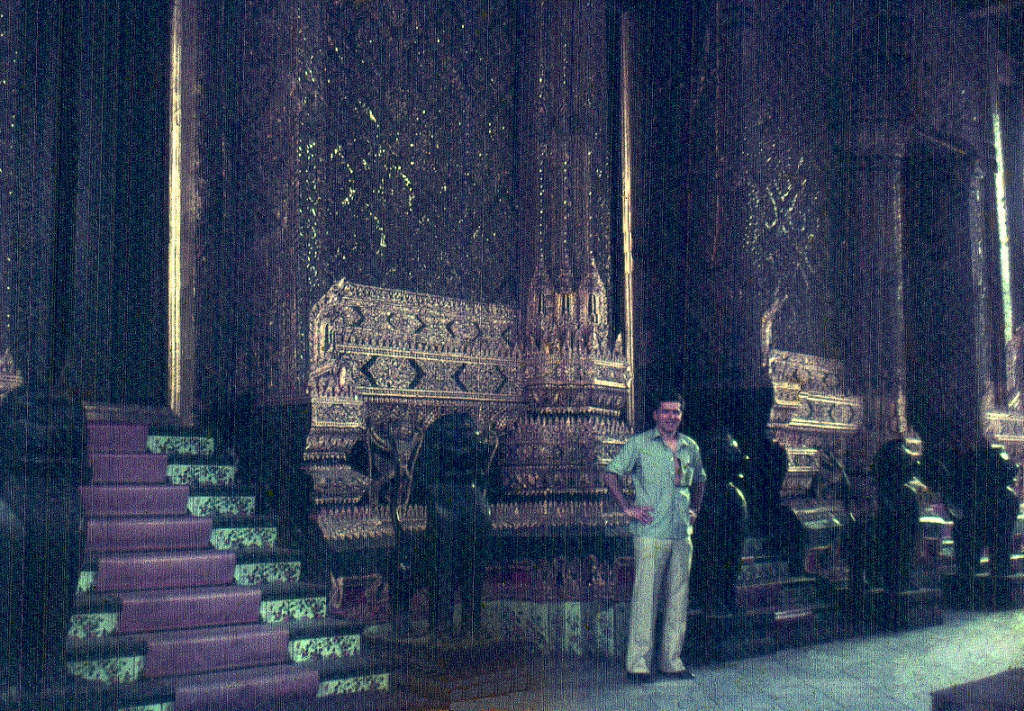
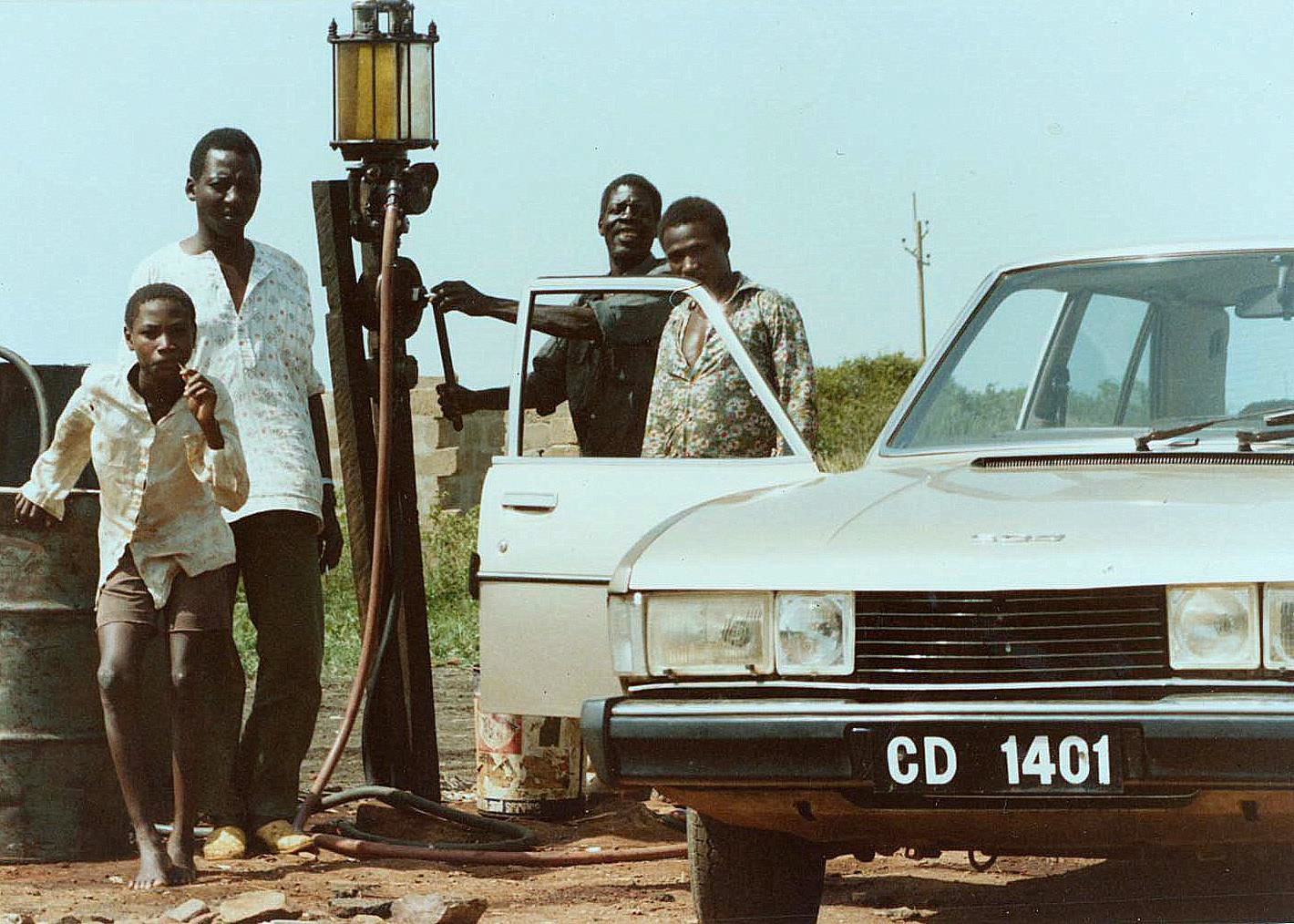
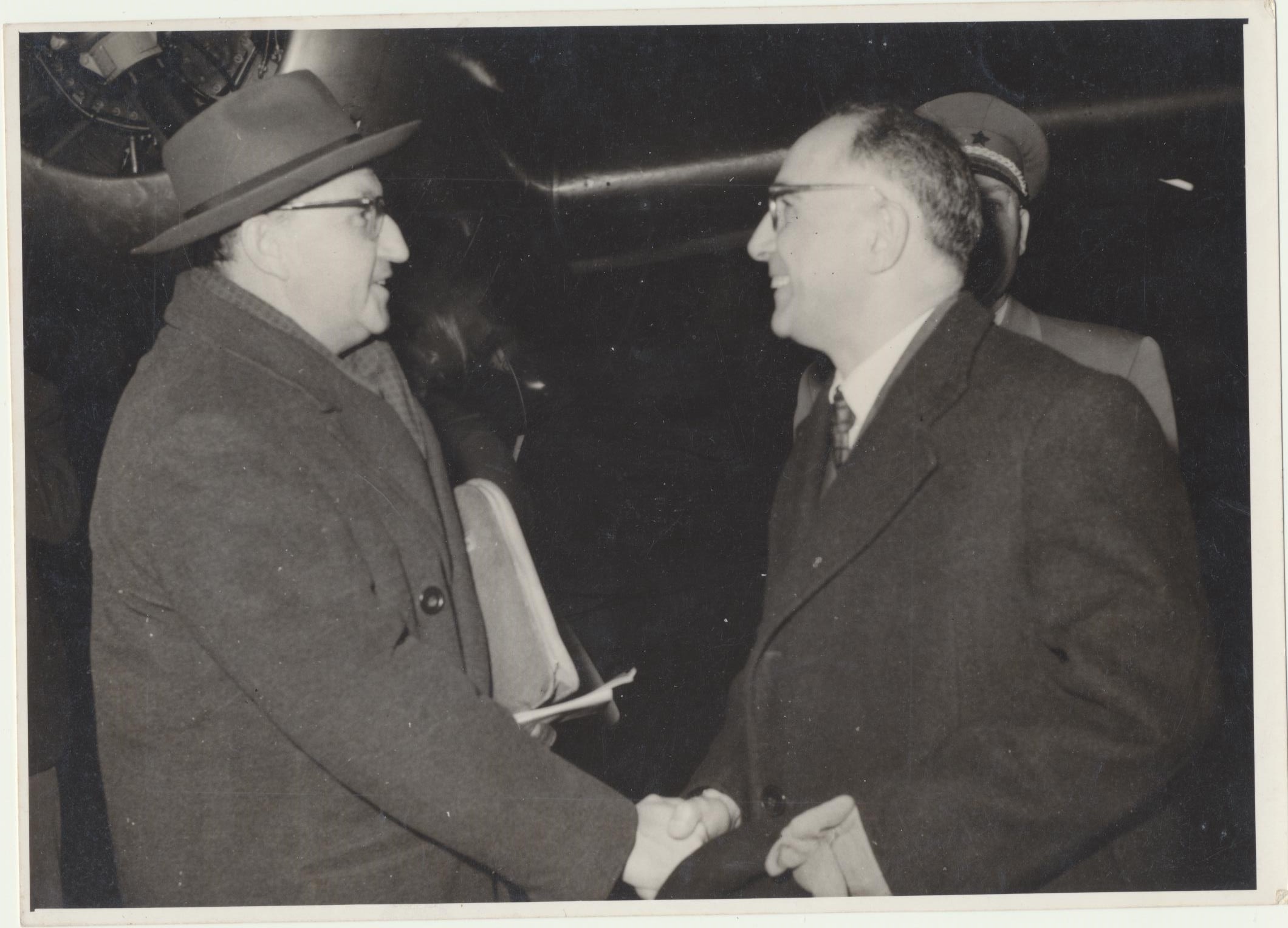
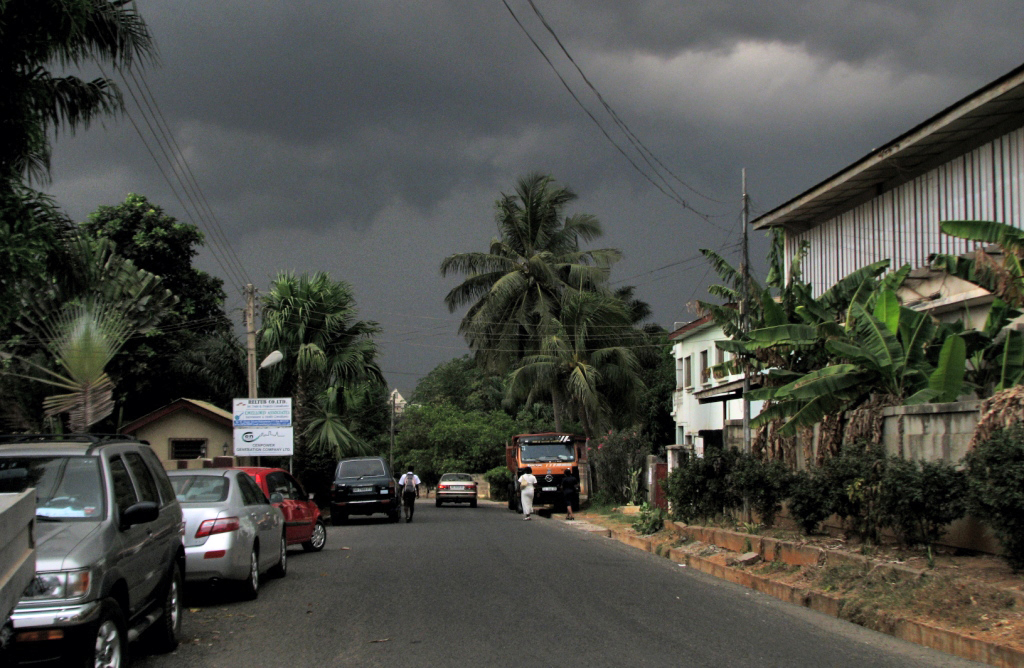
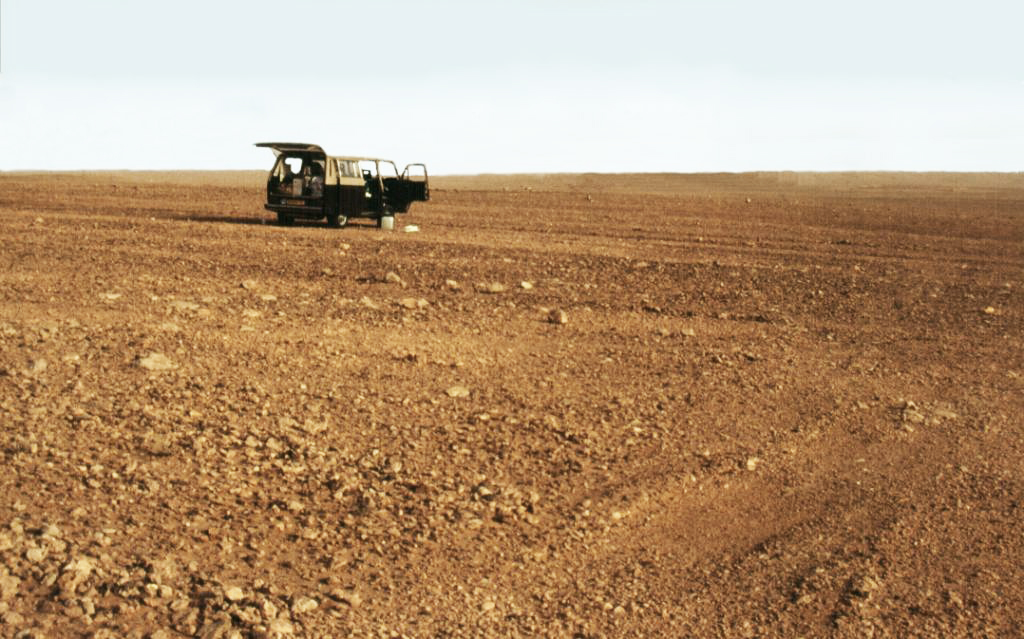
In 1984 Ljubomir was transferred to the Embassy in Accra (Ghana) in the rank of counsellor. Life in Africa brought a new dimension to his life and partly satisfied his penchant for adventure. Among other exploits, he drove all the way from Belgrade to Accra across the Sahara.
His final report, after his four-year-term in Accra, was noted for prophetic predictions on post-cold-war situation in the Middle East and Africa. (Appearance of religious fundamentalism as reaction to globalisation; massive shifts of population; and a dramatic change of the known geostrategic constants). As a consequence, Ljubomir was promoted to Minister Plenipotentiary and posted as acting head of the Group for Analysis and Planning.
Since the 1991 Ministerial Conference of the Non-Aligned Movement was to be organised in Accra, he was sent back to Ghana to help the Ghanaian Ministry of Foreign Affairs to prepare the final documents of the Conference.
*
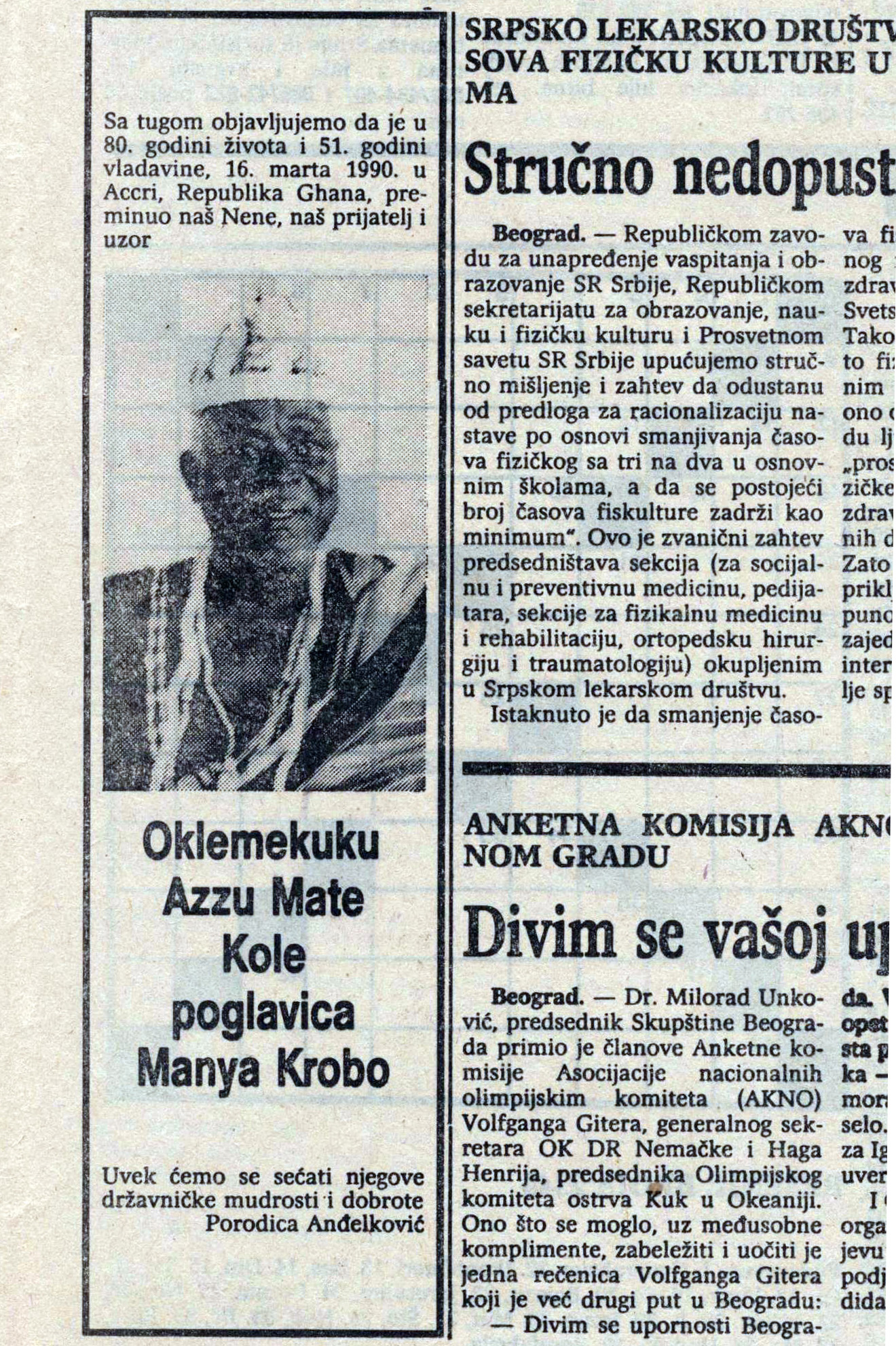
After the collapse of Yugoslavia, Ljubomir resigned from the position of the Head of the Yugoslav mission in Accra and decided not to return to Belgrade, but to stay in Ghana as a foreign investor. Unfortunately his business bankrupted and Ljubomir was left without any means of support. He and his family squatted in an uncompleted building in a fishing suburb and in order to survive, he worked as labourer in the construction business. That is how he discovered a completely different Ghana – Ghana of the destitute.
After six years of life below the poverty line, a Greek, who owned a bookshop in the centre of Accra, started publishing his stories which became popular among the reading public.
That was the moment when Ljubomir took as his nom de plume Kodjo Vangorski – Kodjo being the vernacular name of all those born on a Monday, and Vangorski as part of a family joke.
Next, his novel ‘Angelface Nancy’ was published and Kodjo Vangorski became a bestselling author.
Finally, in 2010, Kodjo Vangorski returned to Belgrade where he continued writing, using the same pseudonym. So far seven of his books were published in Serbia. Three are translations from English and four were written in Serbian.
Kodjo Vangorski’s most noted works are:
- ‘The African Trilogy’, a set of three ‘African’ novels: ‘Angelface Nancy’, ‘The Kowalski Journal’ and ‘Bus to Paradise’. The setting of all three novels is a fictitious country of Ebonyland that bears realities of Anglophone countries of West Africa.
While ‘Angelface Nancy’ tells about lives of ‘ordinary’ people and describes their efforts to cheat their destinies by hook or by crook, ‘The Kowalski Journal’’ relates horrors of a civil war and perfidies of international political intrigue. Finally, ‘Bus to Paradise’ puts together characters from the two previous novels. It follows their endeavours to find happiness.
All three novels are rife with action. Descriptions of exotic African landscapes are intertwined with intrigue, erotic encounters, horrors of a senseless civil war and tricks used in attempts to ‘get rich’.
- ‘Goldberg & Rozalinda’ is an autobiographical novel that deals with growing up in the turbulent conditions of a world war and a revolution.
- ‘Origins, Proliferation and the Fate of Evil’ is a mordantly witty treatise about the role of humans in overall existence and about the fallacies in our perceptions of real and unreal. It tells the story of creation and predicts the impending ‘end of the world’; explains natural and unnatural evolution and narrates human endeavours which we named civilization.
Other writings include the novel ‘Harampasha’ and nonfiction writings ‘Inflaming the Past’, ‘Serbia South of the Sahara’ and a collection of short stories ‘Cementhoppers and Other Humbugs’.